How Do Chargers Maintain Stable Power Output?
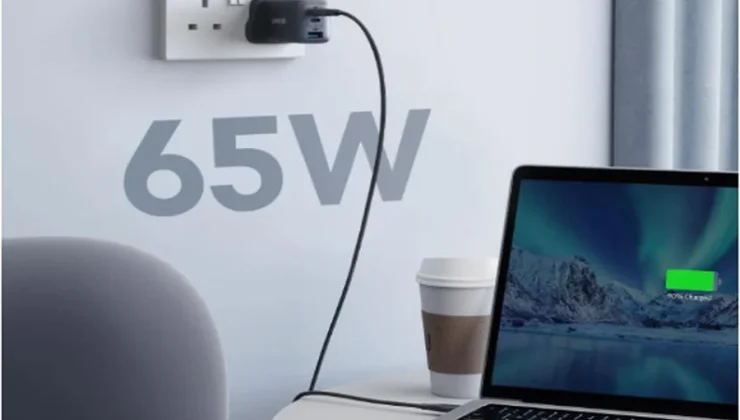
Stable power output is essential for safe and efficient charging. Whether you power a phone, tablet, or USB-C notebook, your charger must deliver consistent current without sudden drops or spikes. Behind the scenes, a charger regulates energy flow, monitors temperature, and responds to the device’s power demands. These processes happen instantly, ensuring smooth charging even in environments where outlets vary in quality. Modern chargers handle this better than older models thanks to improved circuitry and adaptive technology. A good example is the Anker 735 Charger (Nano II 65W), which balances power across devices while maintaining dependable performance. Understanding how chargers manage stability helps you choose smarter charging tools and develop better habits at home or on the go.
The Internal Systems That Keep Power Stable
Voltage Regulation Ensures Smooth, Predictable Output
Voltage regulation is one of the most important processes inside a charger. It monitors the power coming from the outlet and adjusts the output to match the device’s requirements. Without proper regulation, your device might experience inconsistent current flow during charging. A stable voltage prevents interruptions, reduces heat buildup, and supports faster charging. Modern chargers use intelligent chips to measure energy flow and correct irregularities instantly. This smooth regulation allows your device to charge safely in homes, offices, hotels, or airports. Chargers built with advanced materials—such as GaN II technology used in the Anker 735 Charger (Nano II 65W)—maintain even more stable voltage because they operate efficiently in compact designs.
Smart Power Negotiation Matches Output to Device Needs
Every device communicates with the charger when you plug it in. This communication determines the correct wattage. Phones, tablets, earbuds, and notebooks all request different amounts of power. Smart chargers read this information and adjust output accordingly. When your phone needs a gentle charge, the charger lowers the current. When a notebook demands higher power, the charger increases the output. This negotiation prevents overloading and extends battery health. A multi-port charger must manage this process for several devices at once. The Anker 735 Charger (Nano II 65W) distributes energy intelligently, ensuring each connected device receives appropriate power without sacrificing stability.
Heat Control Helps Maintain Long-Term Stability
Heat affects performance and efficiency. When a charger becomes too warm, internal systems reduce output to protect the circuitry. Heat buildup usually comes from heavy workloads, poor ventilation, or restricted airflow. Efficient heat management allows the charger to maintain strong performance for longer periods. GaN-based chargers naturally produce less heat while delivering high power. Internal temperature sensors track heat levels and adjust output as needed. This helps the charger stay cool during heavy usage and prevents sudden drops in charging speed. With proper heat control, stability remains consistent from start to finish, even when multiple devices share the same charger.
External Factors That Support Stable Charging
Plugging Into a Strong, Clean Outlet Improves Stability
The quality of the outlet affects how well your charger performs. Older outlets, worn connectors, or overloaded power strips may deliver unstable current. When the incoming voltage fluctuates, the charger must work harder to regulate the output. For consistent charging, use a wall outlet with strong grip tension and minimal interference. This supports smoother performance and reduces the chance of voltage dips. Many users mobilize this habit when they rely on the fastest charger or when powering larger devices such as tablets or notebooks. A clean, stable outlet creates a better foundation for your charger’s internal systems to perform efficiently.
Using High-Quality Cables Supports Smooth Energy Transfer
A charger can only deliver stable power if the cable supports consistent flow. Poor-quality cables create resistance that disrupts current and forces the charger to compensate. This not only slows charging but also increases heat. Choosing well-made, certified cables helps maintain stability along the entire charging path. A strong cable preserves the smooth output that the charger works to produce, especially for high-power devices. When you pair a reliable cable with a compact charger like the Anker 735 Charger (Nano II 65W), the entire setup operates more predictably and efficiently.

Proper Placement Helps the Charger Stay Cool and Steady
Where you place your charger influences heat and stability. A charger tucked behind furniture, resting on soft fabric, or sitting near heat sources may struggle to regulate temperature. Giving it open space improves airflow and supports stable power output. Avoid covering the charger, stacking objects around it, or placing it near electronics that generate heat. A ventilated charging environment helps the charger maintain its designed efficiency. Users often see better performance simply by moving their setup to a clean, open area.
Conclusion
Stable power output depends on a combination of intelligent internal systems and thoughtful user habits. Voltage regulation, smart power negotiation, and efficient heat control work together to create steady charging. External factors—such as outlet quality, cable condition, and charger placement—shape the final experience. Modern chargers engineered for efficiency, like the Anker 735 Charger (Nano II 65W), offer dependable performance across phones, tablets, and notebooks by balancing power intelligently and managing heat effectively. When you understand how stability works, you can make better charging choices and keep all your devices powered safely, consistently, and without interruption.